...

Personal Injury Animation for Attorneys

About Personal Injury Animation

One of the biggest challenges faced when dealing with a personal injury case is that the defense lawyer’s main objective is to make all the damage of the client seem like it’s less than it actually was in this way, they generalize and encompass all series of details concerning the injury, such as the intensity of the pain, the painful recovery process, and the possible after effects and reduced range of motion that the client will have to live with for the rest of his or her life.

The importance of our services is that you can begin to see the severity of the damage and realize that the condition goes far beyond a simple sentence that encompasses the injury in less shocking terms by the defense attorneys. This way the jury will understand the painful process and all the suffering to which the client was subject.

Personal injury

Simplify complex injuries, support expert testimony, and clearly show damages in court

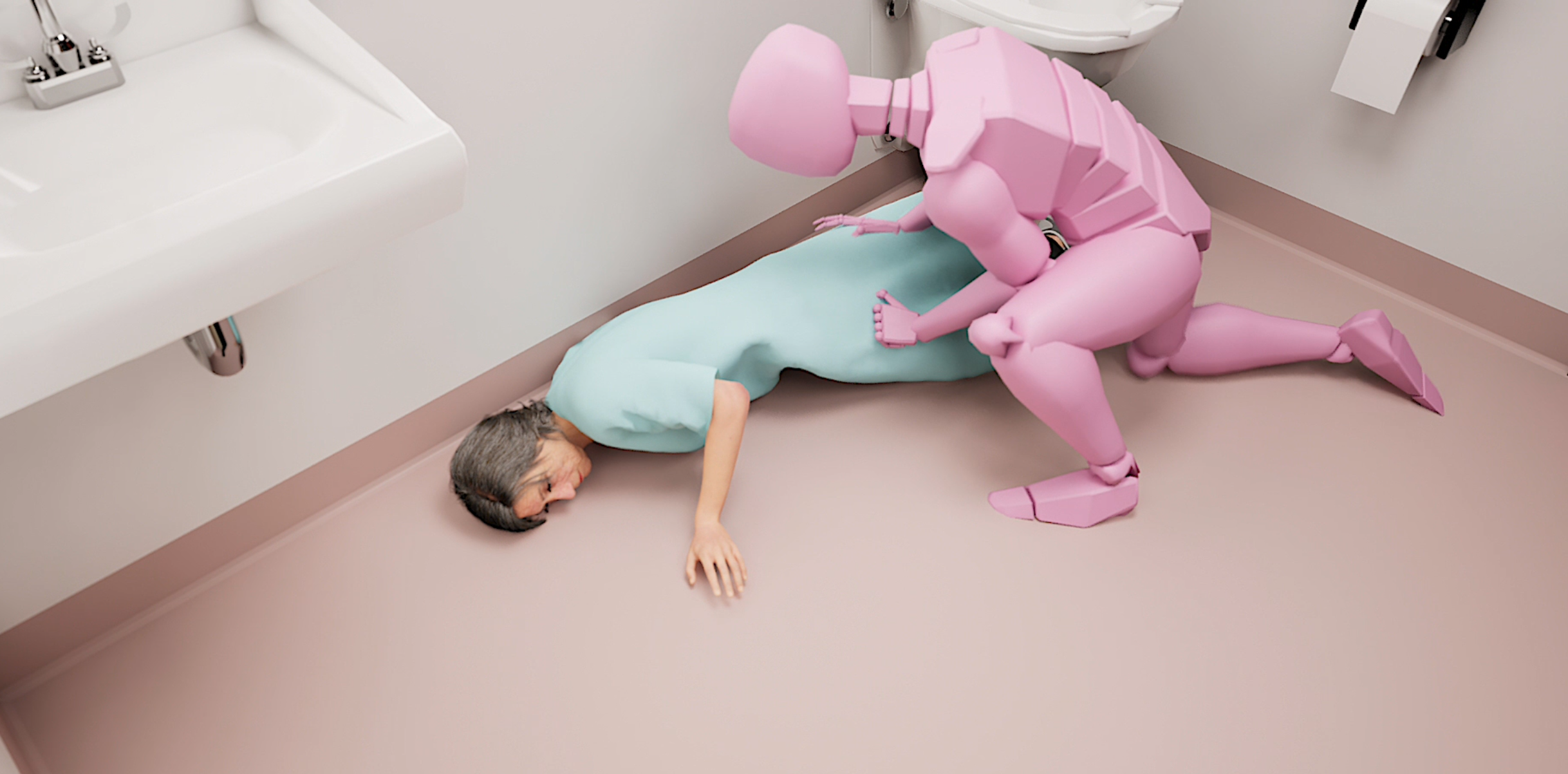
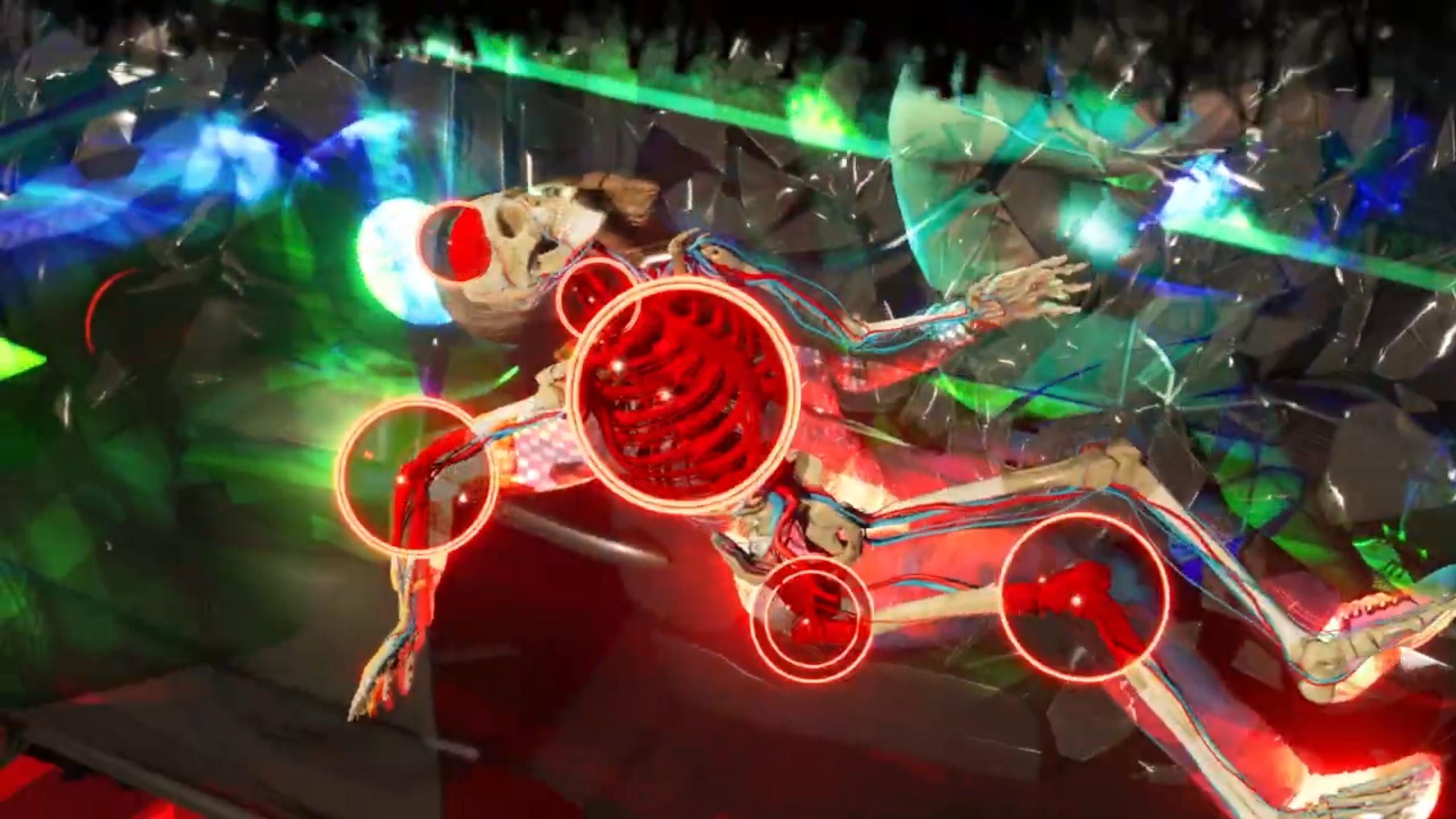
At 3D Court Exhibits, we specialize in forensic animation services tailored for attorneys involved in litigation. We reconstruct events such as car accidents, crime scenes, and injury mechanisms to help judges, juries, and mediators clearly understand the facts.

FAQ

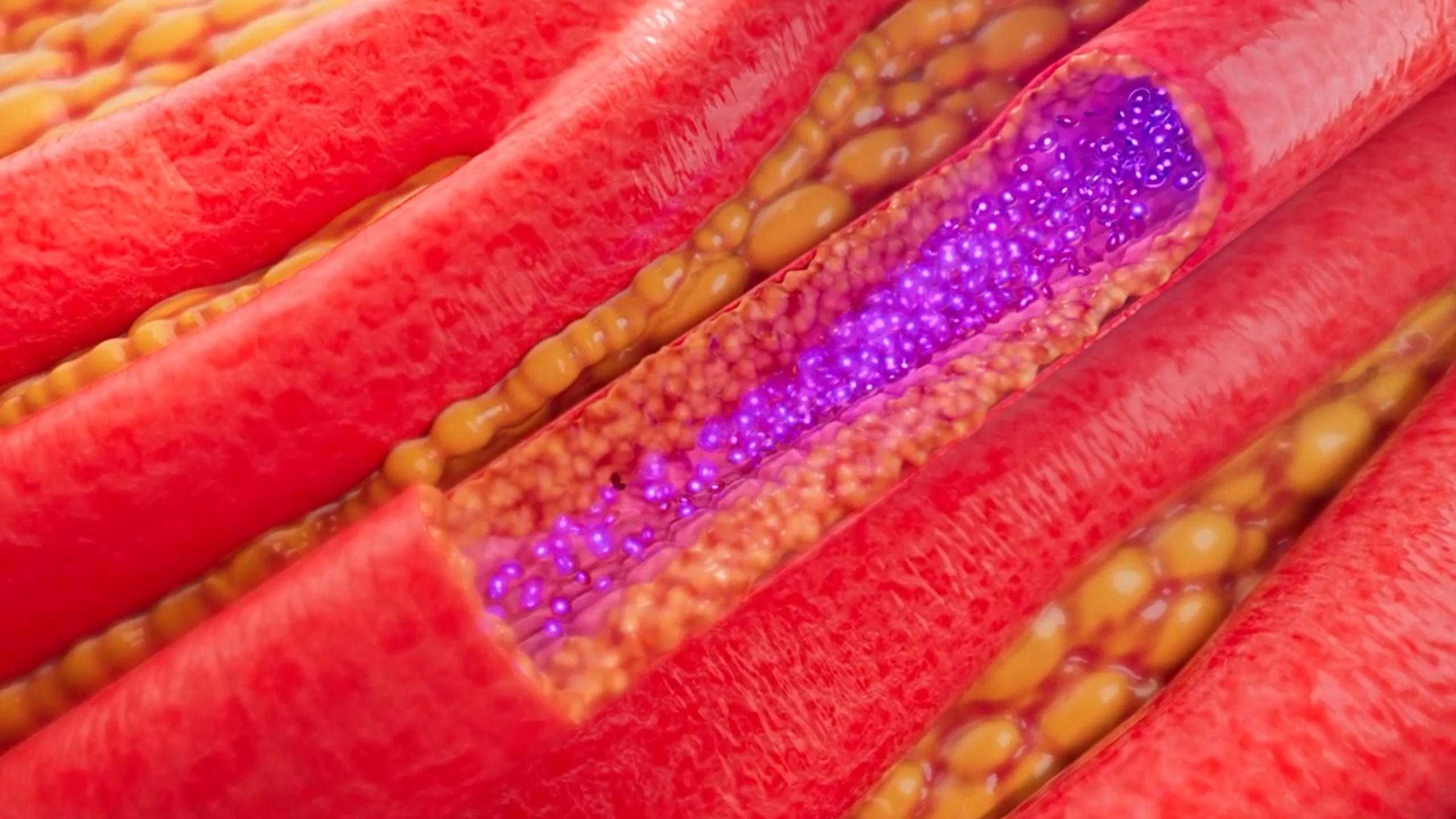
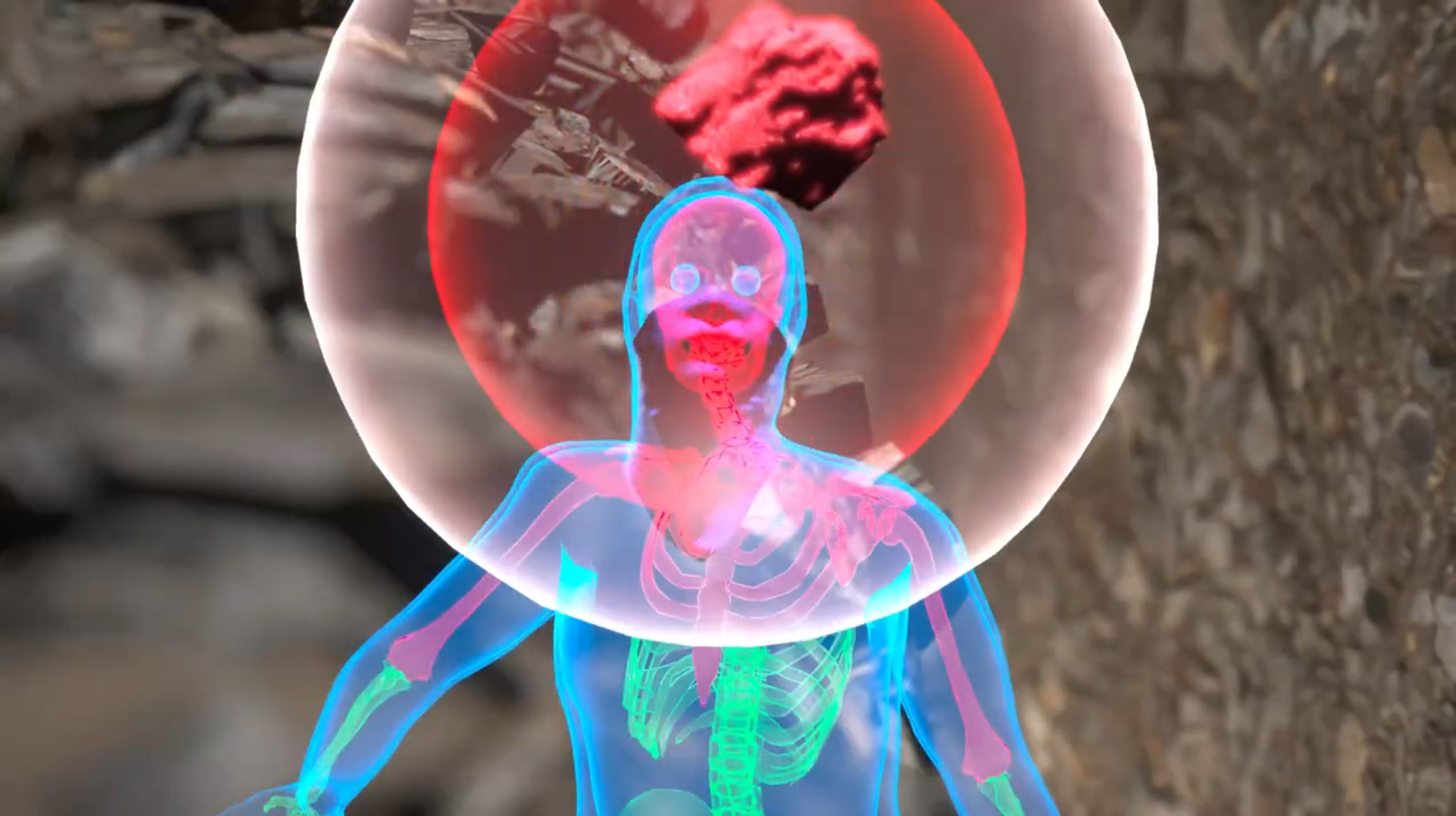
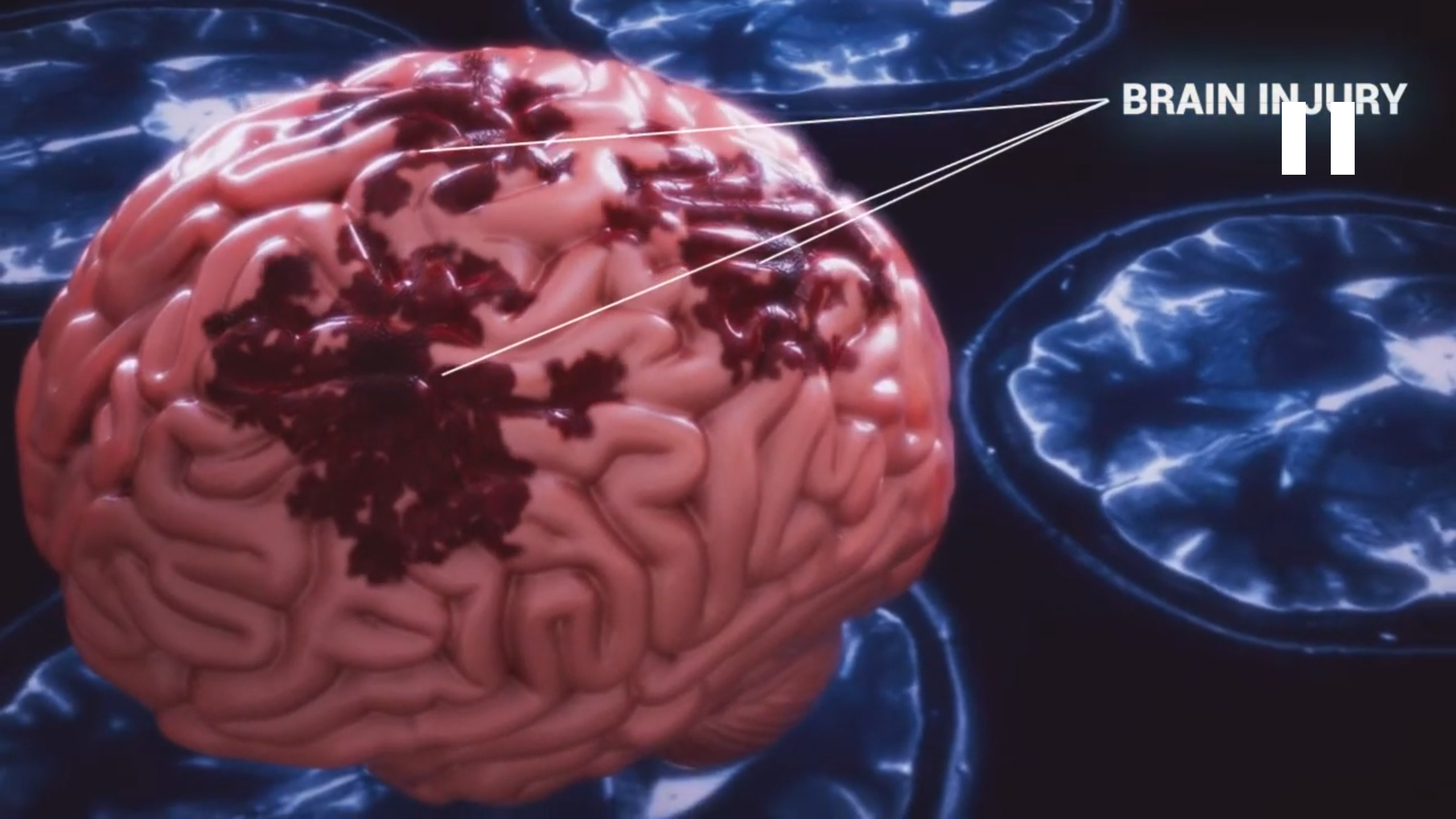
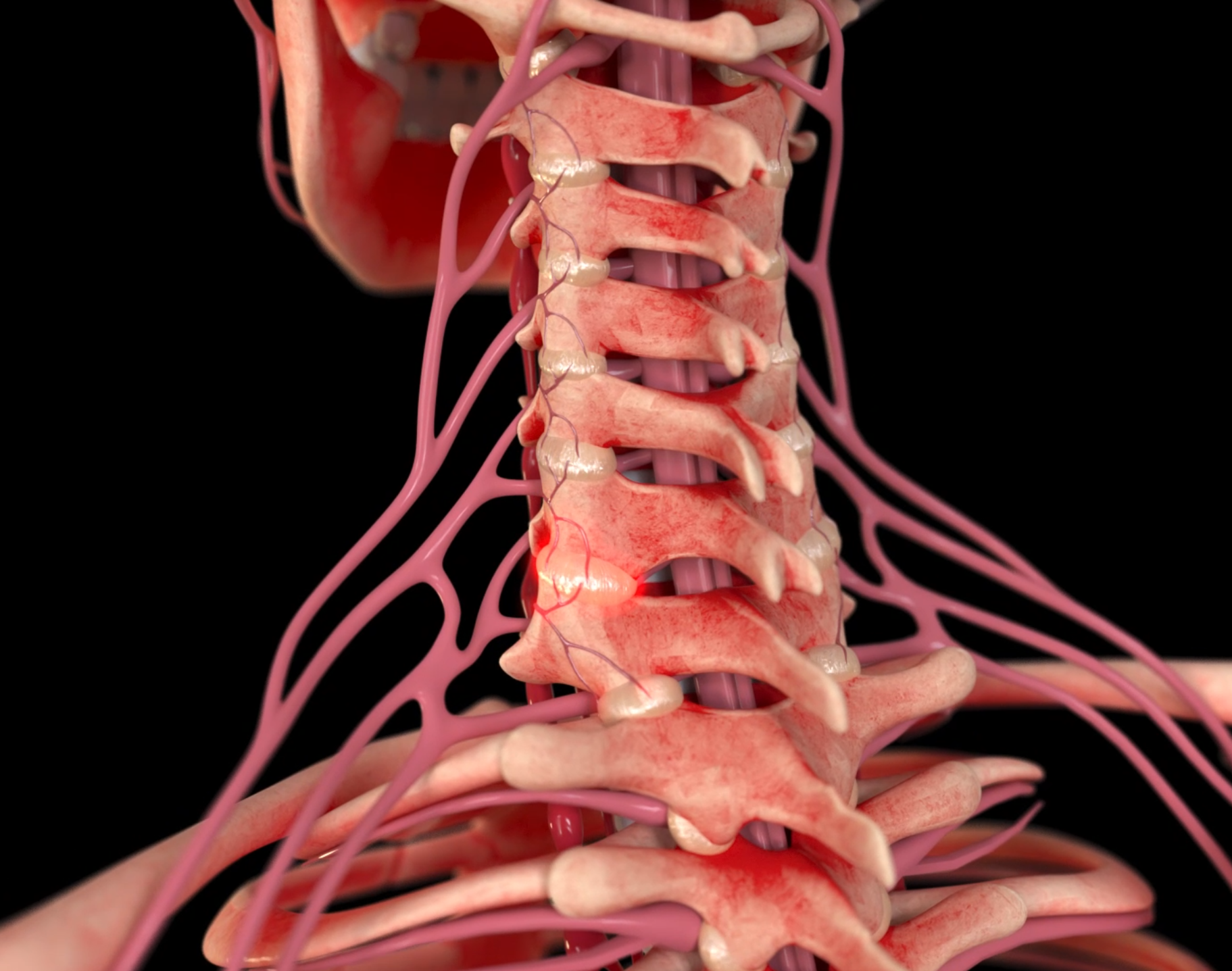
Personal injury animation is a visual tool used to recreate the injuries, treatments, and surgeries your client experienced due to an accident or medical malpractice. These animations are designed to simplify complex information for audiences.

We work closely with your medical experts and legal team to ensure that every animation is precise, admissible, and persuasive.

Personal injury attorneys use animations in:

  1. Auto and trucking accidents
  2. Slip and fall cases
  3. Workplace injuries
  4. Construction accidents
  5. Medical malpractice claims
  6. Traumatic brain injury
  7. Spinal injuries and fractures
  • Simplify complex medical concepts
  • Support expert witness testimony
  • Highlight pain, suffering, and long-term impact
  • Show surgical procedures and injury mechanisms