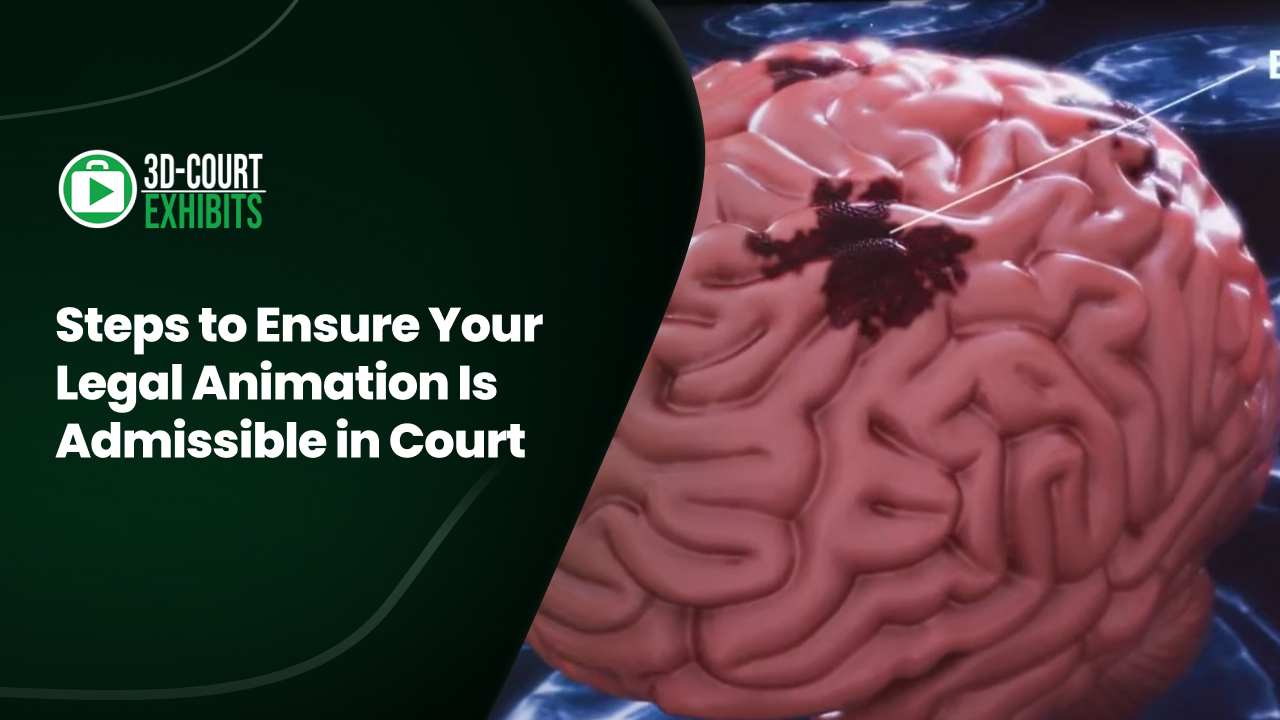
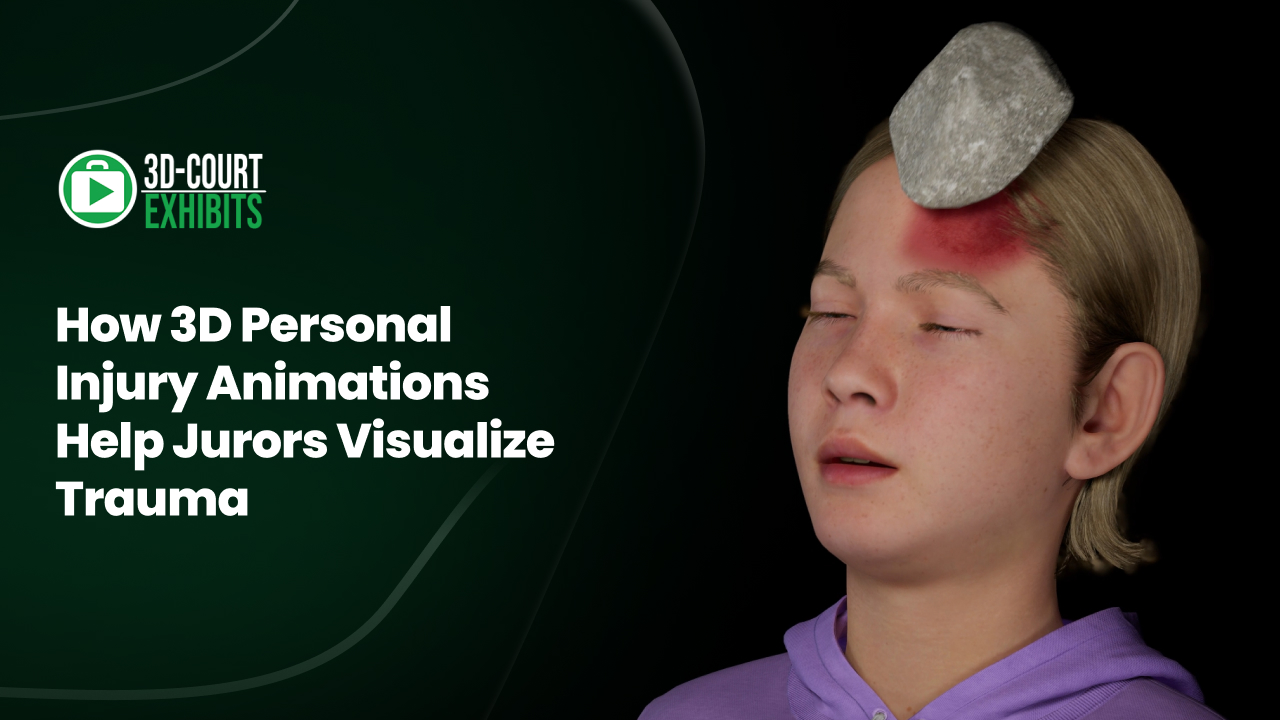
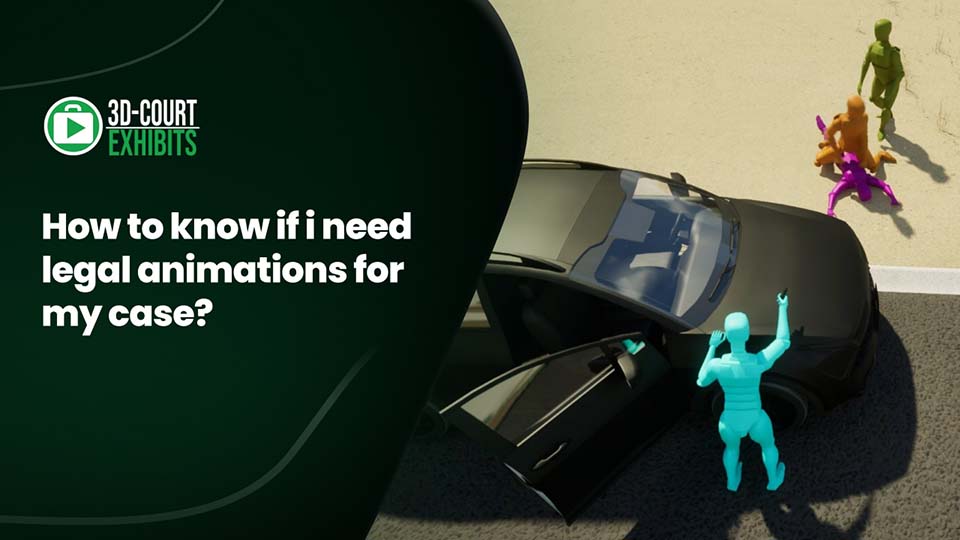
Legal animations can be very beneficial in the courtroom in various ways, turning complex evidence into understandable narratives. But sometimes courts can be understandably strict about what counts as reliable information. So if you want your case to have animations, we’re going to give you a few steps on how to ensure your legal animation is admissible in court.
1. Base It on Verified Facts and Evidence
Your animation must be directly tied to actual evidence gathered through discovery, like police reports, witness statements, forensic data, or expert testimonies. Avoid any creative liberties or assumptions not supported by clear proof; courts tend to reject anything that veers too far from verified facts. Think of your animation as a visual affidavit.
2. Employ Expert Collaboration
Working closely with credible experts. Like an accident reconstruction specialist, a medical professional, or a forensic analyst, their input validates the animation’s content. Plus, their testimony may help explain the animation’s technical details to the judge or jury.
3. Document Your Process
Transparency matters. Courts may ask for the “behind the scenes” details: How was the animation created? What sources were used? What software and techniques were used? Keeping detailed records makes your animation defensible if challenged.
4. Keep It Clear and Objective
It’s critical to keep animations factual and free of persuasive bias. Over dramatization can backfire, appearing as an attempt to sway emotions rather than present facts. Your goal is to clarify.
5. Follow Local Rules and Precedents
Legal standards can vary between jurisdictions, so always check the court’s specific rules regarding digital evidence and demonstrative exhibits. Some courts require pre-approval or offer guidelines on animation length, content, and format. Work on procedural rules.