3D courtroom animations can make complex facts clear for juries when used ethically. We'll give you a real-life case of medical malpractice.
December 29, 2025
 Skip to content
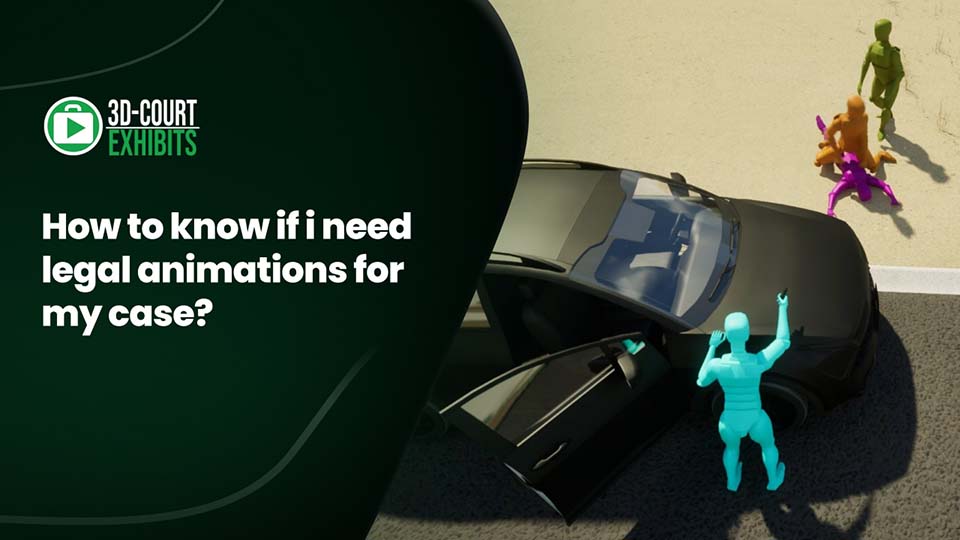
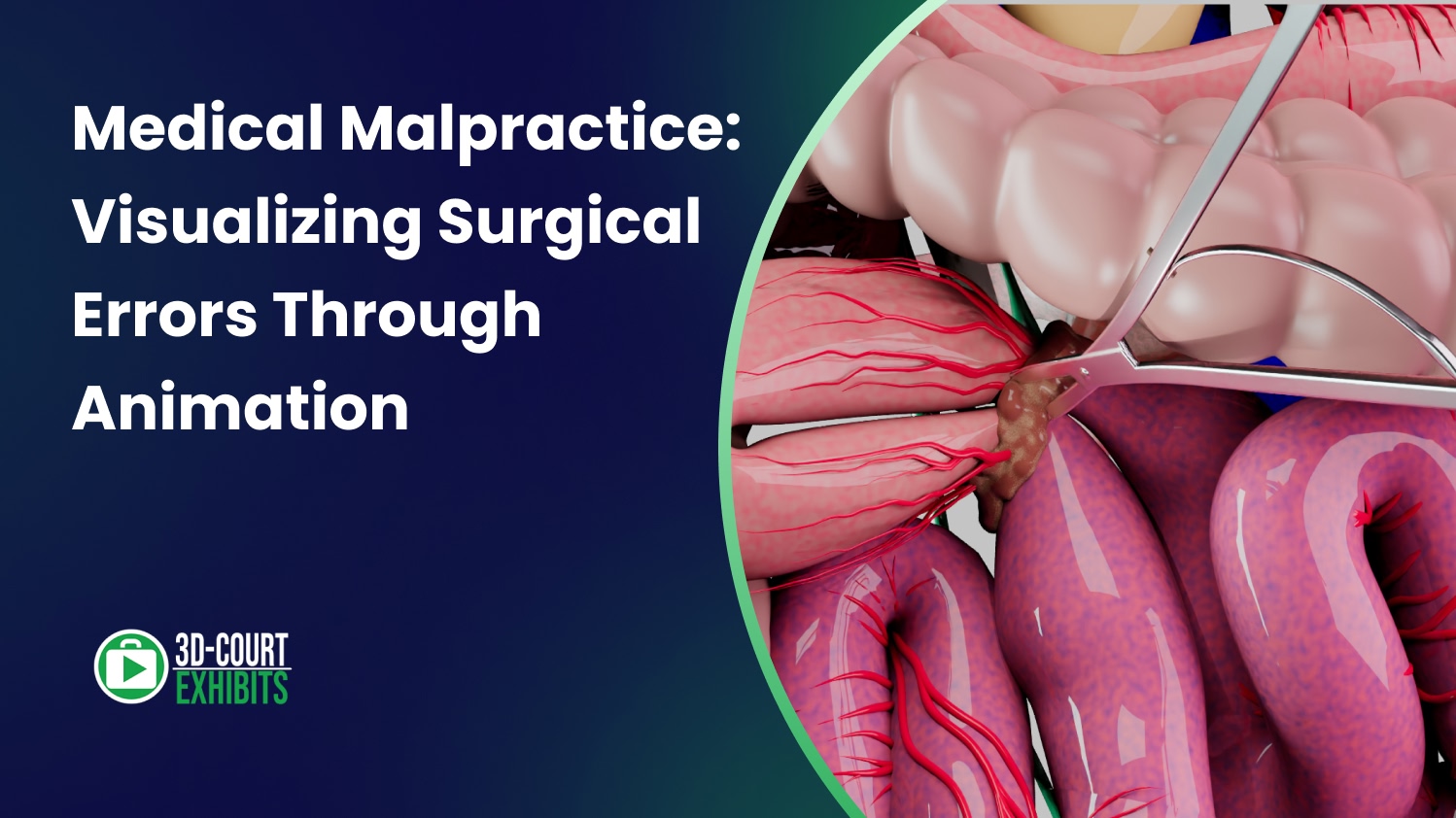
3D courtroom animations can make complex facts clear for juries when used ethically. We'll give you a real-life case of medical malpractice.
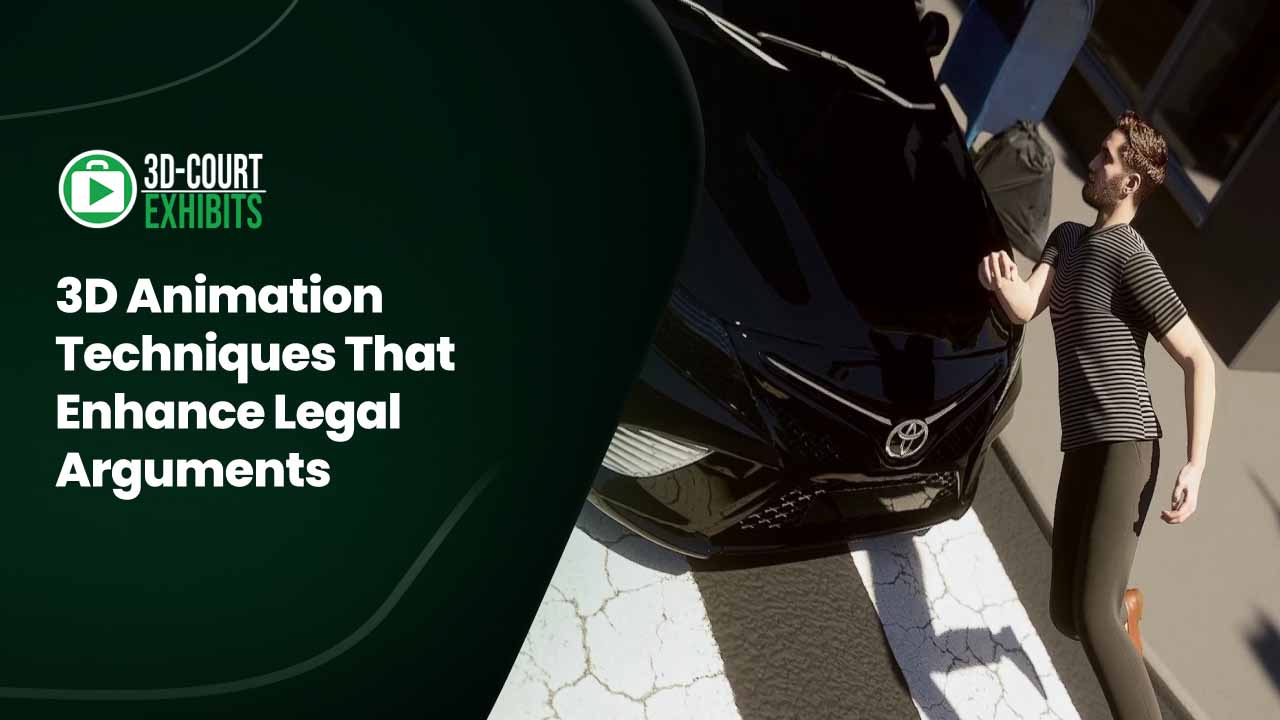
3D animations enable attorneys to create an accurate reconstructions of events and accidents providing jurors with a clearer, more objective understanding.
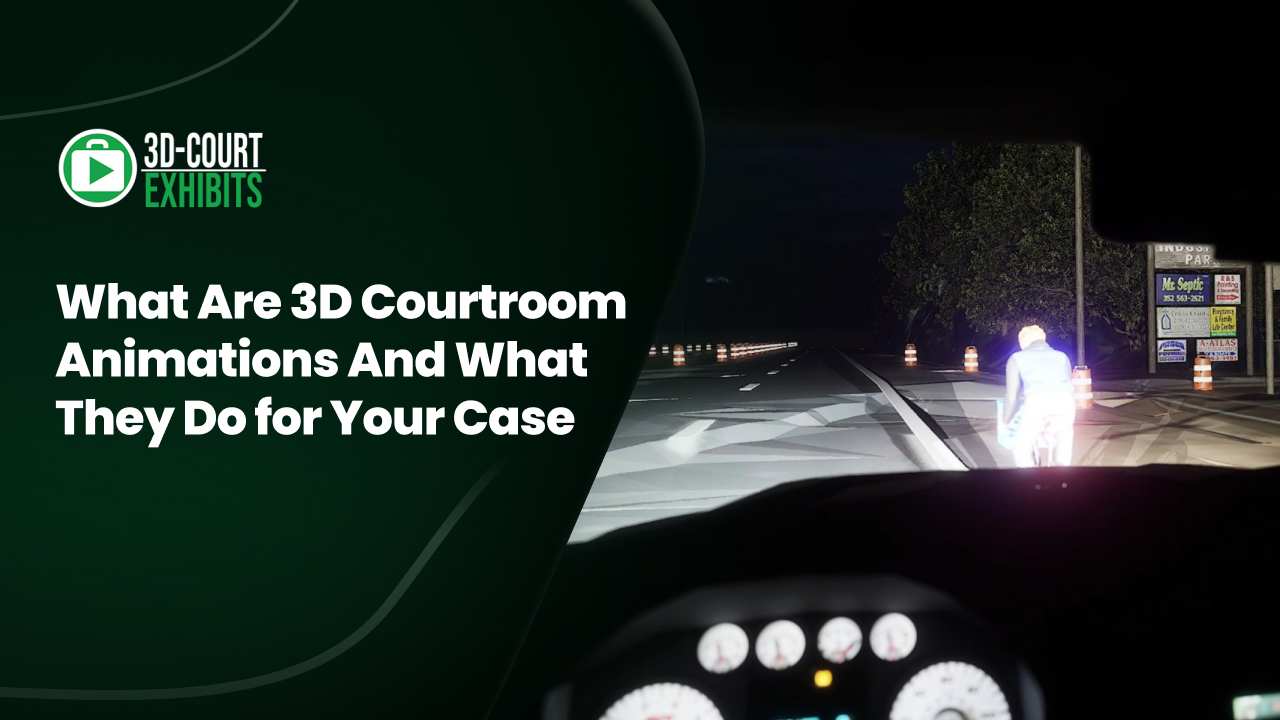
Are you interested in knowing more about animations? what they do for you and your case
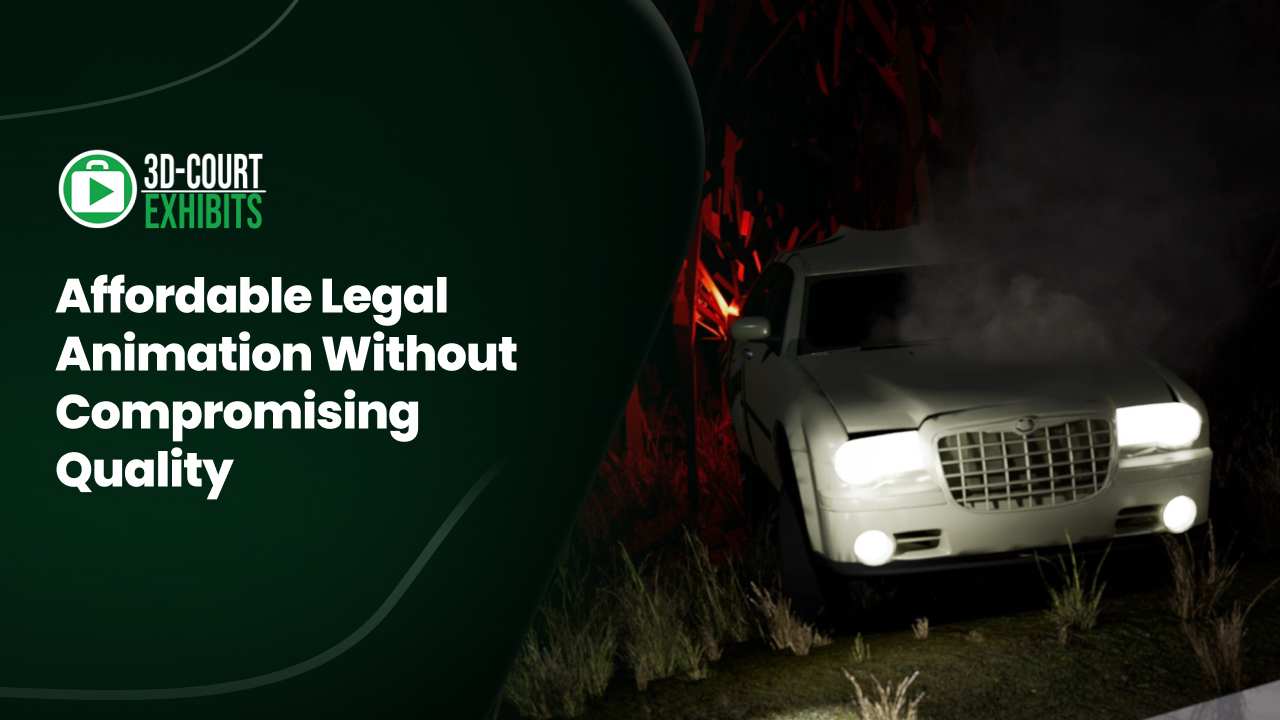
Animations are great tools to use in court, but you also have to consider things like duration, complexity, and quality that can raise the cost of your animation, in this post we are going to give tops on how to get more affordable animations.